Mandala Plants: A Handwritten Font That Brings Craft Projects to Life
There’s something special about the right font. It can elevate a simple label into a work of art or transform a plain greeting card into a cherished keepsake. As a handmade seller who spends hours perfecting product details, I recently discovered Mandala Plants, and it has quickly become one of my go-to tools for adding that extra touch of elegance and charm to my creations.
First Impressions: A Font with Character
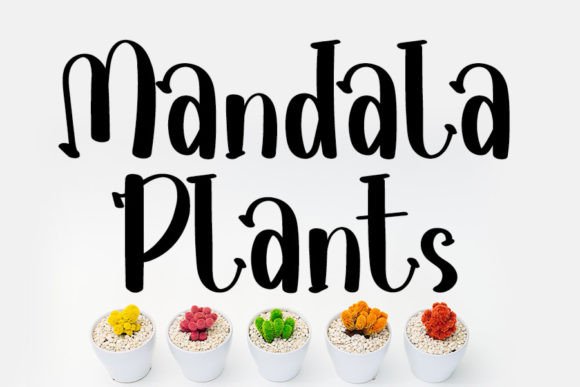
I was designing some candle labels for a new batch of soy candles when I stumbled upon Mandala Plants. The name intrigued me, and the preview image showed an organic, flowing script with a natural feel—like handwritten poetry in ink. I knew immediately this font could bring warmth and personality to my shop’s branding.
What caught my attention most was its balance between softness and structure. It feels like a premium font, but it also carries the authenticity of handwriting. This makes it incredibly versatile for both digital and physical projects. Whether you're creating product tags or printable wall art, Mandala Plants adds a timeless appeal that stands out without being overdone.
Crafting with Confidence: Real-World Uses
Since using Mandala Plants, I’ve applied it across a range of handmade items. Here are a few examples:
- Candle Labels: I paired Mandala Plants with a muted background and a small icon to create elegant labels that reflect the calming nature of the products inside.
- Greeting Cards: For birthday cards, I used it as the main title, complemented by a clean sans serif font for body text. The contrast felt modern yet personal.
- Wedding Invitations: On a mockup I was testing, the font gave the design a romantic and handcrafted vibe. Guests would know they were holding something unique before even opening the envelope.
- Farmhouse Signs: I layered it over a distressed wood texture for a rustic sign that looked professionally made but still had a handmade soul.
- Printable Wall Art: With just a few lines of poetic wording, Mandala Plants turned a blank canvas into a meaningful piece of decor.
Aesthetic Harmony: Pairing Mandala Plants with Other Fonts
One of the things I love about Mandala Plants is how well it pairs with other typefaces. Because it's a handwritten font, it works beautifully alongside a minimalist sans serif font or a classic serif font. When I use it on mugs or tote bags, I often pair it with something like Montserrat or Lora for a balanced look that doesn’t overwhelm the eye.
For wedding stationery or more decorative projects, combining it with another script font or bold display font can add depth and visual interest. Just be sure to test your combinations in real size and context—sometimes a font looks great at 72pt but loses clarity at 18pt on a small sticker.
Designing for Readability and Practicality
While Mandala Plants is undeniably beautiful, I've learned that readability is key when applying it to practical items. I always test how it looks in different sizes and formats before finalizing a design. For example:
- Stickers: Smaller stickers need simplified letterforms. I avoid heavy swashes or tight curves that might get lost in detail.
- Labels: If the text needs to be read at a glance, I keep phrases short and focus on the emotional tone rather than complexity.
- Merchandise: T-shirts and mugs benefit from bold weights or outlines if the font will be printed in light colors or on textured fabrics.
- Digital Downloads: I ensure that any alternates or ligatures are clearly visible in the preview images so customers know what to expect.
Always remember to check the included file formats and whether the font supports multilingual characters if you plan to expand your audience or sell internationally.
Creating Brand Consistency with Mandala Plants
Consistency is everything in a handmade business. From packaging to social media posts, having a cohesive visual identity helps customers recognize your brand and trust your quality. Mandala Plants plays a big role in that.
I now use it across all my shop materials—from boutique-style packaging tags to digital listing thumbnails. The result? A unified look that feels intentional and professional. Even though it's a creative font, it maintains enough legibility to support clear communication while enhancing the overall mood of the product.
Seasonal Projects and Beyond
As the seasons change, so do the products I create. Mandala Plants has been a joy to incorporate into holiday-themed designs. For Christmas tags, I added delicate flourishes and paired it with gold foil accents. For spring planners, I softened the color palette and let the font shine as a decorative header.
It's also worked wonders on summer-inspired SVG-style designs for Cricut and Silhouette users. Whether it's a sunflower motif or a beachy quote, the font blends seamlessly with floral and nature-based themes.
Commercial Use and Licensing Clarity
If you're planning to use Mandala Plants for commercial projects, such as selling greeting cards or printables, it’s essential to review the licensing terms. Like many premium fonts from Script Amp, it allows for both personal and commercial use—but always double-check the specifics for your intended application.
Also consider whether the font includes alternate characters, swashes, or stylistic sets. These little touches can make your designs feel more personalized and refined, especially when creating unique invitations or custom signage.
Adding Emotional Appeal Through Typography
Handmade products are often chosen for their heart and character. Mandala Plants helps communicate that sentiment through typography. Its gentle curves and flowing strokes evoke a sense of peace and intentionality—perfect for wellness products, self-care kits, or anything designed to bring joy and beauty into someone’s life.
When I use it on planner pages or wall art, it invites connection. People don’t just see words; they feel them. That emotional resonance is powerful, especially in a market where customers are looking for more than just function—they want meaning.
Testing and Mockups: Making Sure It Works for You
Before fully committing to a font for your shop, I recommend doing some mockups. Try it out on a sample label, a greeting card layout, or a packaging tag. See how it looks in different contexts and sizes. Does it hold up in small print? Is it easy to cut with your machine?
I personally use it on my Cricut for seasonal tags and have found that using a slightly heavier weight or adding a subtle outline helps prevent letters from getting lost in intricate cuts. It’s worth experimenting to find what works best for your workflow and materials.
Final Touches and Design Assets
Once I’m happy with how Mandala Plants looks on a particular project, I export the design assets carefully. For digital downloads, I ensure high-resolution previews and include a note in the description about the font used, just to give credit and meet Etsy SEO standards. For physical items, I print a test batch first to catch any issues with alignment, spacing, or ink bleed.
Using a consistent typeface across your product line builds recognition. Customers start to associate your style with the font itself, which becomes part of your brand identity. And when they see your name written in Mandala Plants, it leaves a lasting impression.
Why Choose Mandala Plants?
In a world full of digital fonts, Mandala Plants brings a rare kind of magic. It feels alive, like each letter was drawn with care and purpose. It’s not just a typeface—it’s a creative partner that helps tell the story behind your products.
Whether you’re making farmhouse signs, wedding welcome boards, or seasonal printables, Mandala Plants offers a natural elegance that complements both rustic and modern aesthetics. It’s the kind of font that makes your handmade goods feel like they were made just for someone special.
So next time you're prepping a new product line or refreshing your shop visuals, consider how a font like Mandala Plants could help you connect with your audience on a deeper level. After all, the right typography isn’t just about looking good—it’s about feeling right too.